
Europe in my Region
Helping local EU-funded projects tell their own story
Context
Cohesion policy represents one of the largest parts of the European budget. It supports thousands of projects across Europe, from major infrastructure to small local initiatives in remote, rural, peripheral, or urban areas.
Many of these projects have a direct impact on people’s daily lives. Yet they are not always recognised as European-funded. Smaller beneficiaries often lack the time, budget, tools, or communication expertise to promote their work properly — even when they have a legal obligation to communicate about EU support.
Challenge
For DG REGIO, the challenge was to make these projects more visible, especially around Europe Day, without making communication feel like one more administrative burden for already busy project owners.
Our role
Old Continent helped design and run a communication helpdesk for the 2019 edition of Europe in my Region. Instead of pushing beneficiaries to communicate, we positioned the campaign as a service: practical support for those willing to go the extra mile.
We created a system based on co-creation. Local projects were invited to send us raw material — photos, stories, information, and ideas — and we transformed it into ready-to-use communication assets. Postcards, infographics, videos, case studies, templates, quiz material, and online content were produced with and for the people on the ground.
This bottom-up approach changed the dynamic. The projects were not simply asked to relay a message from Brussels. They became active contributors. They owned the stories, the material, and the dissemination.
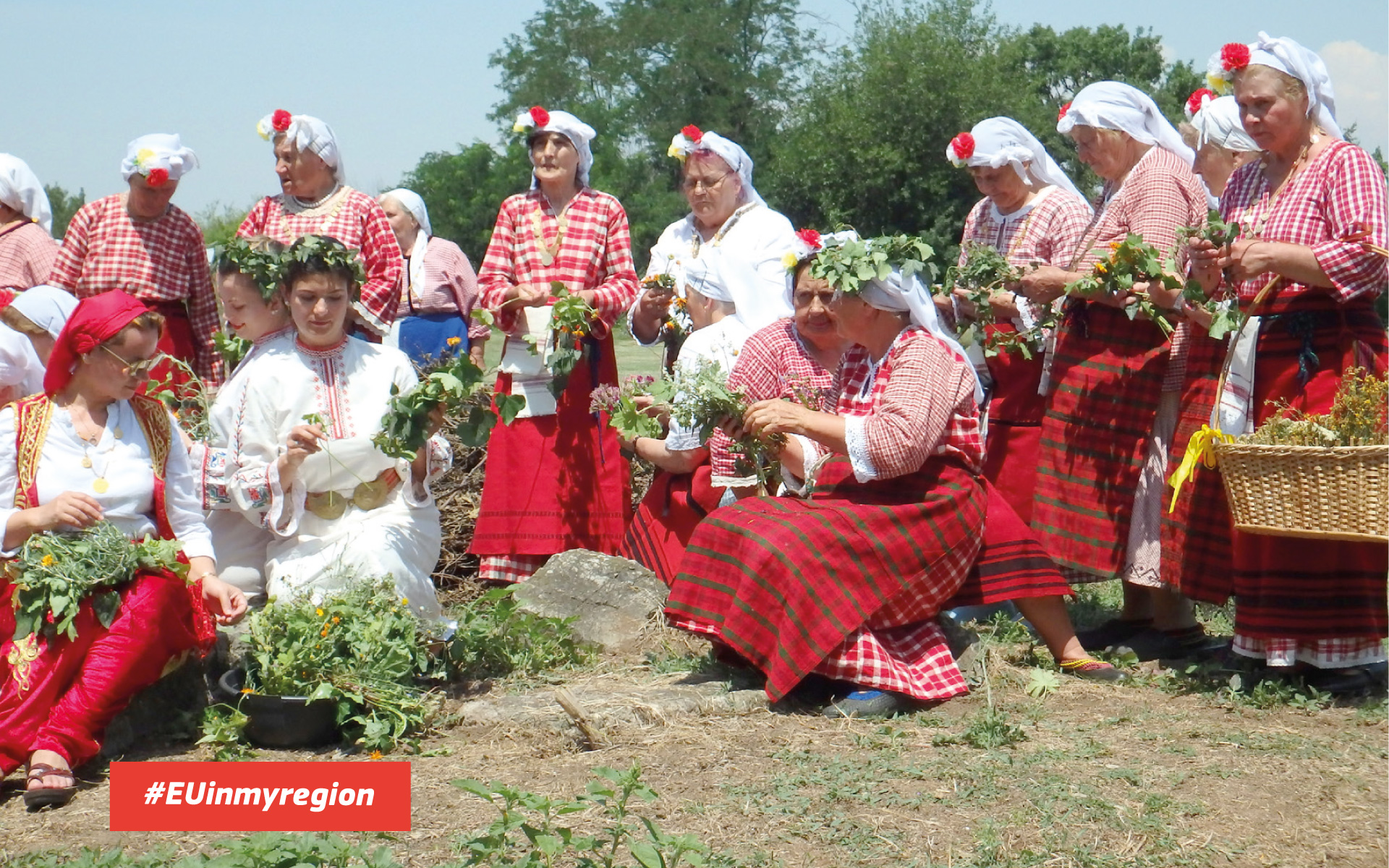
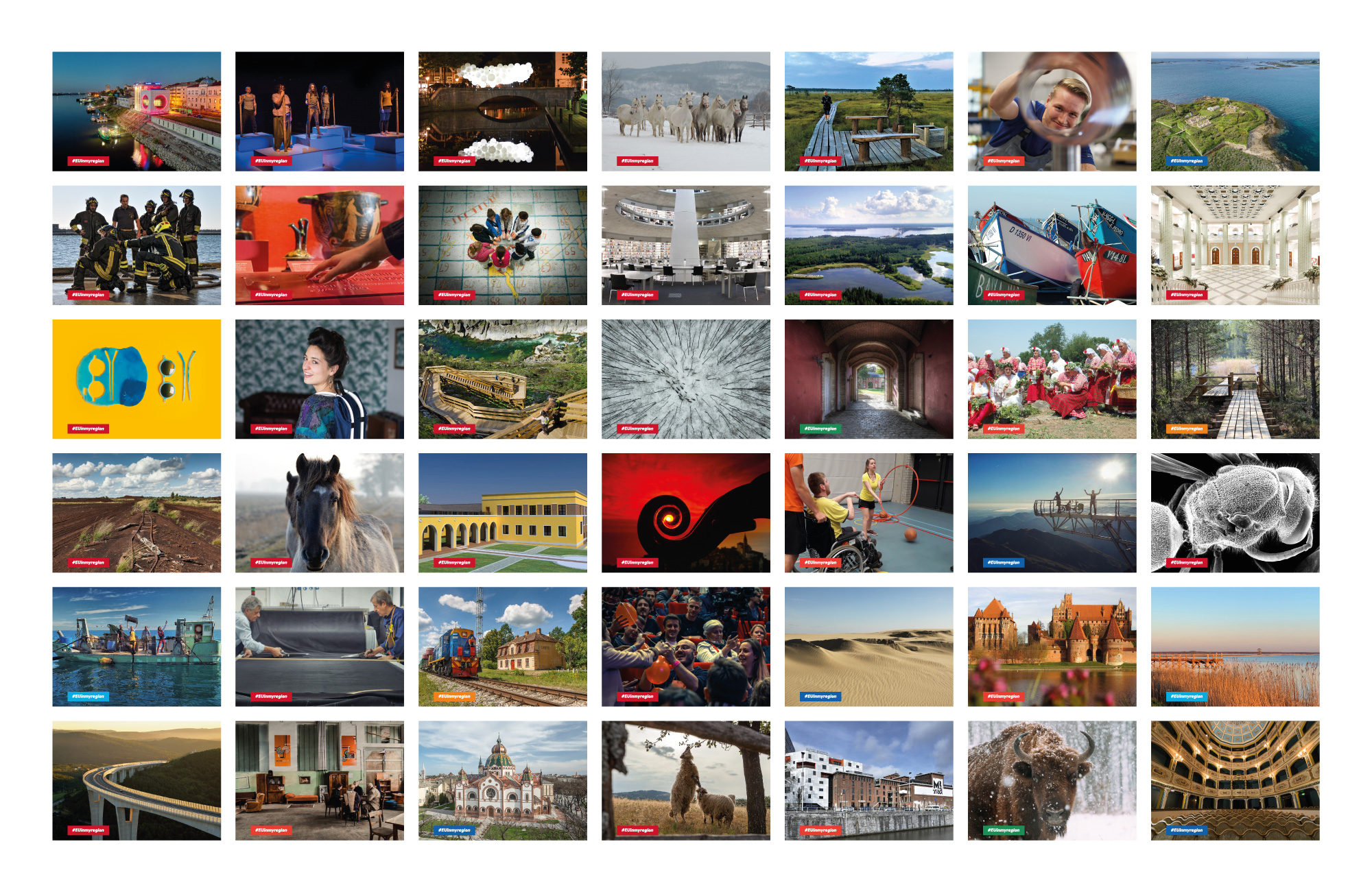
One of the most effective tools was also one of the simplest: postcards. Beneficiaries sent us pictures of their projects. We selected and designed more than 100 postcards, printed 300 copies of each, and sent them back to the projects. In exchange for a few photos, local teams received beautiful printed material they could distribute, display, or keep.
The campaign also included a quiz, a blogging competition, and prize packages built around regional food specialities. Quiz winners received baskets that could compose a full meal with products from across Europe — a tangible, personal reward that generated enthusiastic reactions and user-generated content.
Impact
The result was a campaign that mobilised motivated beneficiaries instead of overwhelming them. It created a coalition of willing local actors, each with their own story, visuals, and audience.
In 2019, the campaign generated:
- more than 100 postcard designs
- around 30,000 printed postcards
- 3,600 quiz participants, 6 winners receiving a food baskets
- 116 blog entries, 3 winners invited for a week in Brussels
- a valuable database of EU-funded projects and contacts
- tens of millions of social media impressions
- a reusable pool of local stories and visuals for future campaigns
The impact went beyond one edition. The project database and visual material collected in 2019 became a resource for future communication actions. In 2020, when COVID-19 made physical visits impossible, these assets helped create digital journeys through EU-funded projects, allowing people to explore cultural, environmental, industrial, and local development routes online.
Europe in my Region showed that communication works better when it is useful to the people expected to carry it. By offering support instead of instructions, the campaign helped small projects become visible, proud, and active ambassadors of cohesion policy.